Powered by Curiosity: David Nieman ’11 Blends Art, Technology, and Grit
By Kara McDuffee
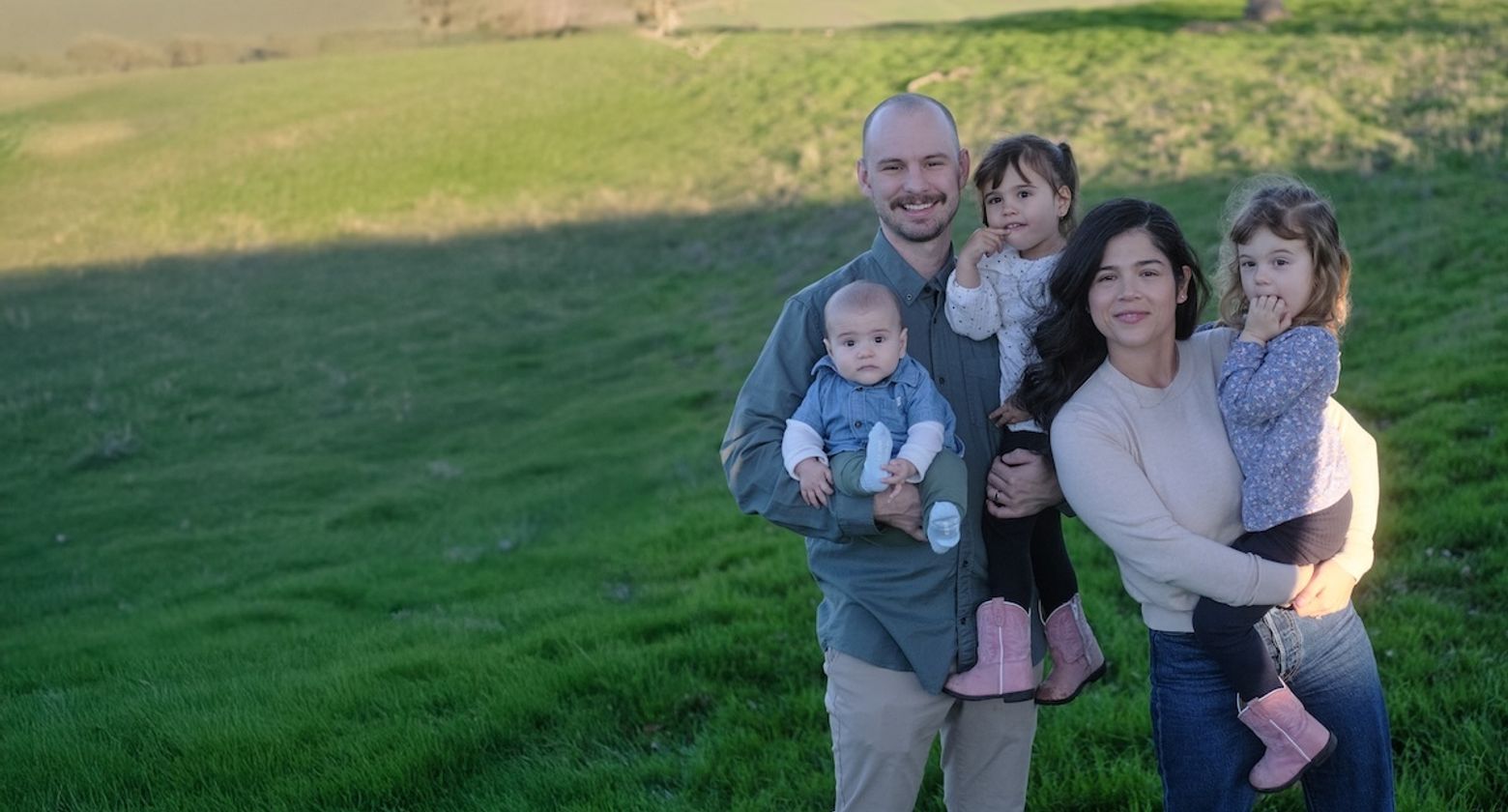
When David Nieman ’11 first stepped onto Brewster’s campus as a ninth-grade day student from Wolfeboro, he thought he might become an architect. Nearly two decades later, he has built a vibrant career in the visual effects world, helping bring hit streaming shows to life from his home base in California. Along the way, he has drawn on the curiosity, discipline, and exposure to new ideas that started for him in high school.
From the beginning, Nieman found himself gravitating toward the arts. He spent countless hours in the Rogers Building and, as he puts it, “pretty much did every single creative class and elective Brewster had.” He credits the small classes, often tailored toward students' individual interests, for having a lasting impact. “I probably wouldn’t have gone into the field I ended up going into if it wasn’t for that,” he says.
As his interests deepened, a defining turning point came his senior year, when Nieman worked with Brewster faculty to design an Independent Study with Wolfeboro-based visual effects specialist Christian Boudman, whose portfolio includes globally known projects such as “Game of Thrones.” That weekly, hands-on experience, he says, “basically pivoted my interest” and set him on the path to pursue film production at Emerson College in Boston. “The internship gave me such good insight and clarity as to what that work would look like.”
From Emerson, the path to Los Angeles began to unfold. On campus, Nieman became the lab manager of the post-production computer labs and spent his final semester on the college’s Los Angeles campus. His senior internship in L.A. quickly led to a full-time role, and he found himself building a career in the VFX industry even before graduation.
About 10 years ago, a new opportunity emerged: Nieman joined Tower 33, a growing VFX studio in Los Angeles. When he started, the team was fewer than 10 people; now, the company has more than 100 employees and a roster that includes popular streaming series such as “9-1-1: Nashville” and “Running Point.” For Nieman, watching that evolution has been energizing. “It’s really fun to watch the life cycle of an organization. It’s been a huge growing experience as we scale,” he says. “In the last couple of years, we’ve had the opportunity to acquire talent from all over the place, and that’s brought in a lot of new ideas.” In “Running Point,” for example, most of the arena crowd beyond the first few rows is entirely computer generated—a quiet showpiece of the studio’s craft.
Today, as his role has expanded, so has the complexity of his work. Nieman now serves as Tower 33’s VP of Technology, a position that bridges creativity and complex systems. “It’s both creative and highly technical,” he explains. “The ability to have a really comprehensive creative vision over something and be able to plug in all the pieces from different areas to execute it, is critical.”
The rise of generative AI has only sharpened his belief that a strong creative point of view matters. “If you give AI a prompt, it’s going to give you the most median version of that, because that’s how machine learning works,” he notes. The real value, in his mind, lies in the unique ideas humans bring to those tools.
Looking back, Nieman can trace that mindset to the range of experiences he stacked together, starting in Wolfeboro. At Brewster, he tried rowing for the first time and joined the crew team, where he learned the kind of discipline he relies on today. “I now have a really strong ability to just put my head down and, it sounds bad, but suffer through stuff,” he says with a laugh. “It definitely gave me grit.”
Just as influential was the daily exposure to people and perspectives far beyond his hometown. Between studio time, traveling around New England for crew, and learning alongside classmates from around the world, Nieman felt his world expand. “Especially as a day student, being able to be around so many people from all over the world is really invaluable for character development,” he reflects.
He encourages today’s Bobcats not to narrow themselves too early. “I think it’s important not to get siloed into any one thing in high school. Take the opportunity to investigate as many different things as you can. You’re using different parts of your brain and developing different skills is really, really important.”
In the end, for all the creative and technical catalysts that took place at Brewster, Nieman still looks back at the small, in-between moments as the most memorable: hanging out with friends after study hall, before practice, and in the pockets of time between commitments. “A lot of the best memories are the little moments in between things, which is unique to boarding school,” he says. “Seeing my friends all day every day was pretty special. Even being a day student, Brewster became a home away from home.”