The Human Heart of Innovation: Chris Hafner and the Technology Behind the Brewster Model
By Dr. Bryan Gross
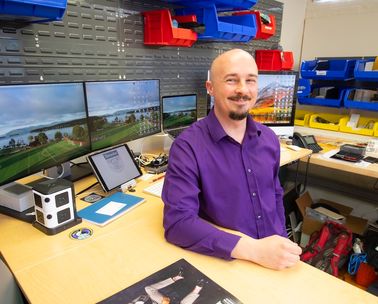
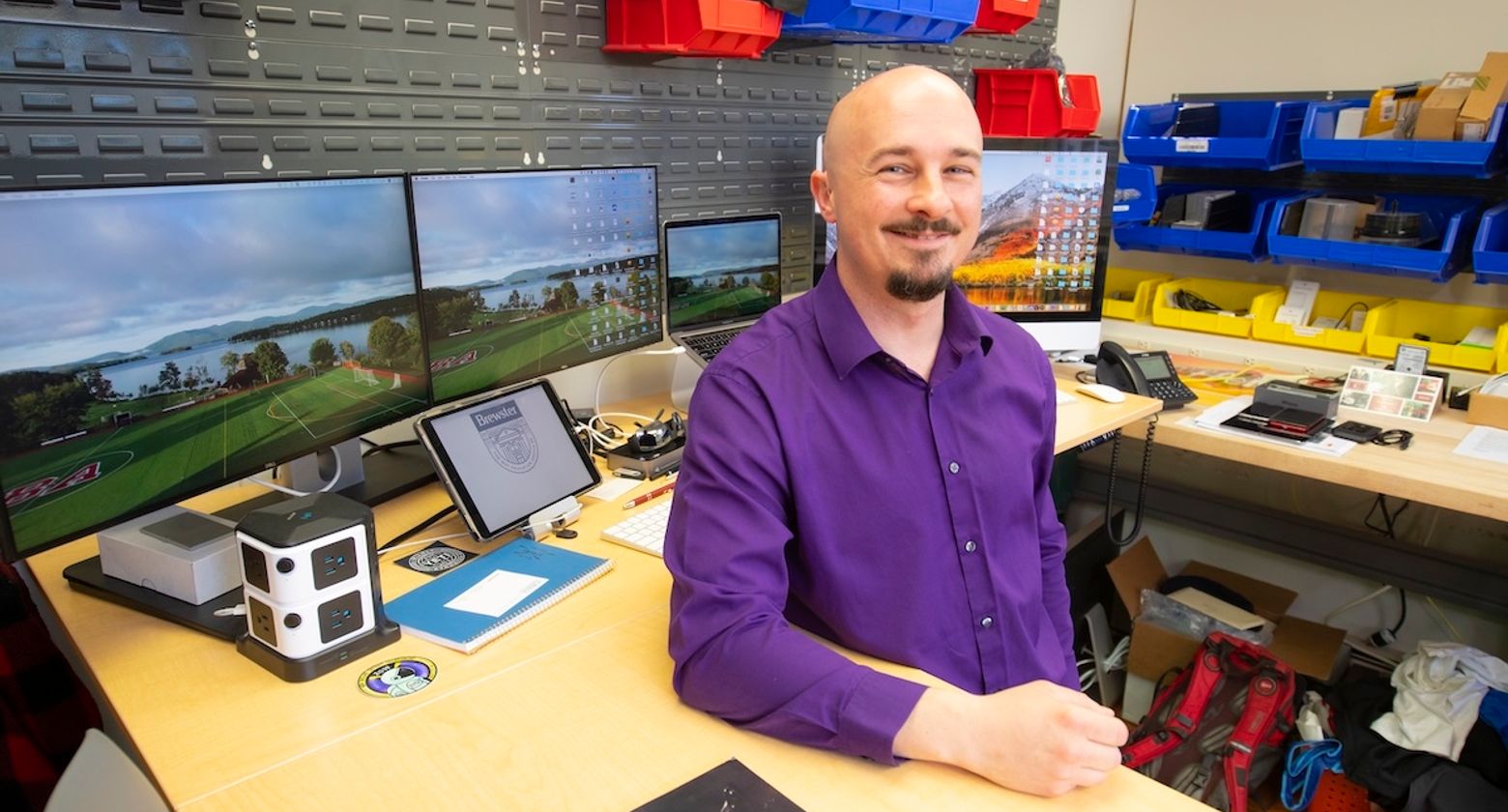
For more than two decades, Chris Hafner ’00 has helped shape the technology that supports learning at Brewster Academy. His influence extends far beyond campus, but his purpose has always been close to home: helping students and teachers thrive.
Long before Chris Hafner became a respected voice in educational technology, he was a Brewster student who needed someone to see what he was capable of becoming.
He arrived as a sophomore in 1997, following a difficult first year of high school. Once an ambitious student with dreams of attending a university like MIT, Chris had begun losing confidence in himself and his education. He had failed algebra and was increasingly uncertain about his future.
His parents believed in him. So did Brewster.
One of his teachers recognized that a hearing issue was affecting his classroom experience. With the right instruction and support, Chris recalls moving through the algebra material that had previously held him back in approximately a week.
“Brewster absolutely saved my educational career, 100%,” he says.

in the IT Department.
Three years later, Chris graduated with the Grace Murray Hopper Book Prize for excellence in computer technology. He went on to Rochester Institute of Technology on scholarship, studied computer science, and began a career that included work with Comcast and Best Buy.
But he wanted something more from his professional life. In 2005, Chris returned to Brewster, where he could put his expertise to work for a school he believed in, alongside some of the very people who had helped shape his own education.
Today, he is a Systems Engineer, an alumnus, a Brewster parent, and an integral member of the technology team. His work helps ensure that the school's innovative approach to education continues to evolve without losing sight of what matters most.
Technology in Service of the Brewster Model
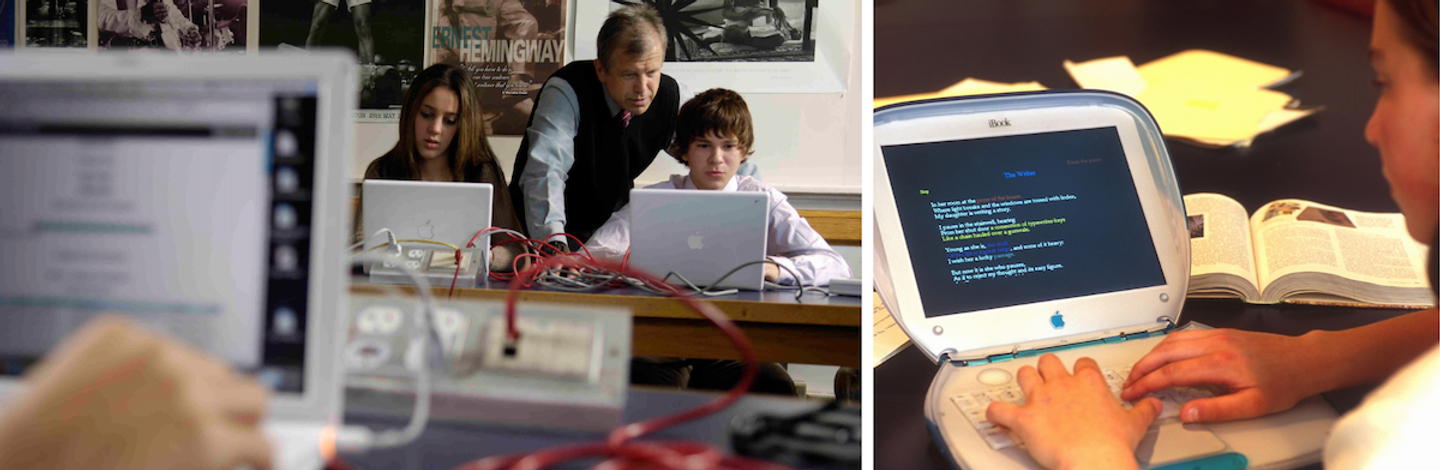
Brewster was among the earliest schools to embrace a laptop for every student, beginning its program in 1993. When Chris arrived, classrooms featured shared workspaces with electrical outlets and wired network connections. Students plugged in their computers to participate in a learning environment that was already challenging conventional approaches to education.
The technology looks very different today. The philosophy does not.
“We've never focused really on the technology,” Chris explains. “We focused on the teaching.”
At the heart of the Brewster Model® is the understanding that students learn differently.
Teachers collaborate in academic teams, adapt instruction, and work to ensure that every student is understood and supported as an individual.
Chris and his colleagues build the technological foundation that makes this kind of flexibility possible.
“We teach skills, not software,” he says.
Consider Brewster's Instructional Support Program, where students develop strategies for reading, writing, organization, and independent learning. A student who benefits from listening to written materials, for example, may use Learning Ally, a reading tool supported by the school's technology infrastructure. The objective is not to master an application. It is to develop comprehension, confidence, and the skills needed to succeed independently.
That same philosophy carries into Brewster's academic teams. A dedicated team of teachers works collaboratively, sharing insights and identifying approaches tailored to each student's needs. Digital learning tools, including Canvas and the Brewster Portal, help make coursework, schedules, and progress information accessible, while faculty bring the judgment, collaboration, and personal attention that technology cannot replace.
For Chris, the goal is to give teachers the freedom to use the tools that work for their students, without allowing the technology itself to dictate how they teach.
Shaping Technology Around Education
That commitment has also given Chris a voice well beyond Brewster.
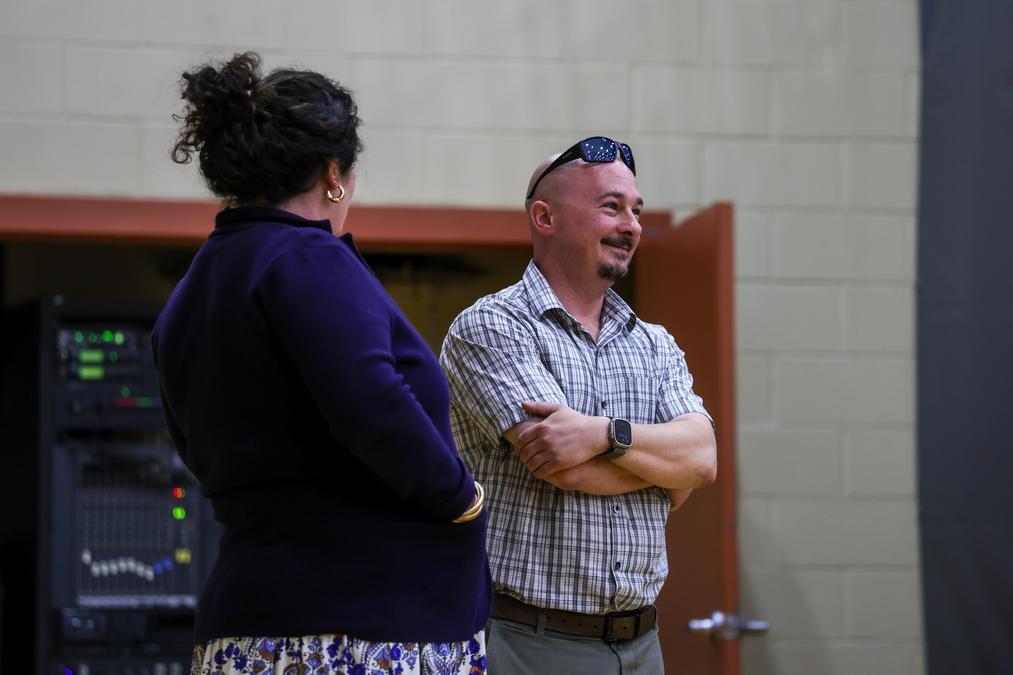
When the Academy transitioned from school-owned computers to student-provided Apple laptops in 2011, Chris and the technology team began working closely with Jamf, a global provider of Apple device management and security technology.
Today, Chris serves on Jamf's customer and education advisory boards. Brewster also participates in advanced software testing, allowing the team to provide feedback on new tools before they become widely available.
Rather than simply adapting to whatever technology companies develop, Brewster helps inform that development through its own educational experience.
As Chris puts it, “The philosophies don't change, but the technology does. Many schools are forced into changing philosophies because technology makes them. I get to help shape technologies to continue to support our Brewster Model.”
That work may involve sophisticated systems, but its purpose is remarkably straightforward: ensuring that teachers have what they need to teach and students have what they need to learn.
Technology Cannot Replace Human Connection
Chris brings the same perspective to one of the most pressing questions facing schools and families: how to help young people develop healthy relationships with technology.
Brewster maintains appropriate safeguards, but Chris cautions against assuming that more restrictions can resolve every challenge associated with smartphones, social media, or screen time.
“There is no technological solution for social issues, and these are social issues,” he explains.
Instead, he points to the relationships that define life at Brewster. Teachers, advisors, coaches, and residential staff know their students. When a student is struggling with sleep, academic responsibilities, or digital habits, those adults can recognize what is happening and help the student develop better judgment.
The objective is not simply to manage a student's behavior while they are at Brewster. It is to prepare them to make responsible choices independently, including when they leave for college.
Technology can support that work. It cannot replace the people doing it.
More Than a Career. A Brewster Family.
Chris understands that distinction from personal experience.
His son, Rydell, attended Brewster's summer program and developed lasting friendships with international students. His daughter, Evelyn, recently graduated from Brewster and is now attending her father's alma mater, Rochester Institute of Technology.
Chris has experienced the Academy as a student, alumnus, employee, and parent. He knows what it means when a teacher sees something in a young person that others have missed. And he brings that understanding to his work every day.
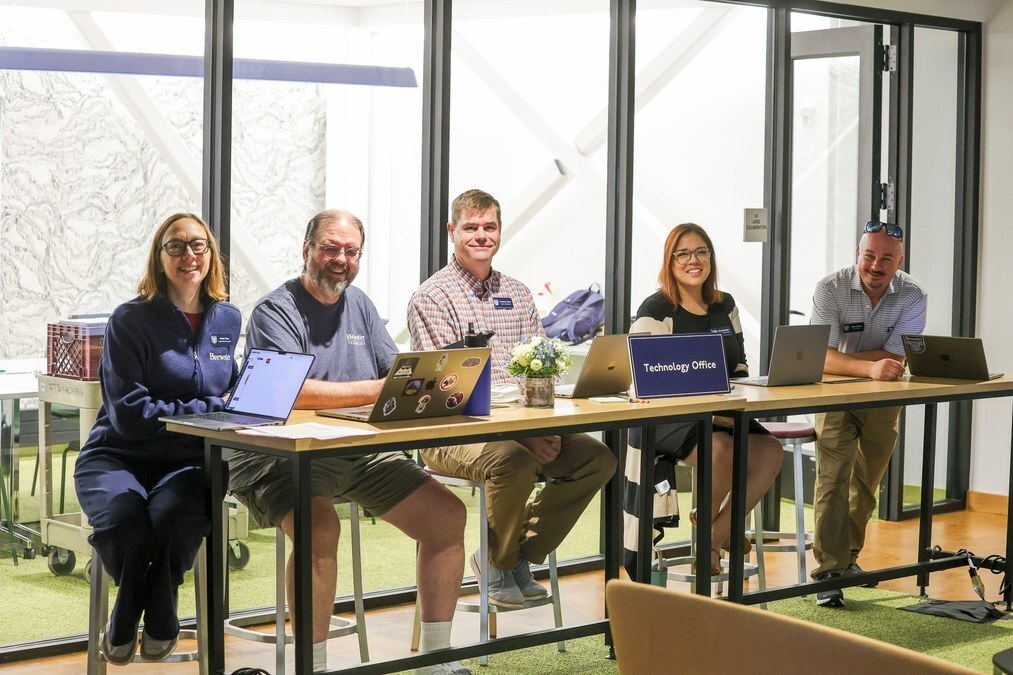
For Chris and his colleagues, supporting Brewster is about much more than maintaining computers or responding to technical requests.
“We're not just filling out work orders,” he says.
They are helping build an educational environment they believe in.
Nearly three decades after Chris first arrived as a student, the tools in Brewster's classrooms continue to change. New technologies will create new possibilities and new questions in the years ahead.
But the purpose remains the same.
It is found in the teacher who can reach a student in a new way. In the confidence a young person develops when someone understands how they learn. And in a Brewster graduate who returned to the place that changed his life, determined to help it change the lives of others.