The Power of Thinking: Brewster Faculty Explore New Approaches to Learning
How do teachers create classrooms where students don't just learn, but think deeply about their learning? And how can schools build a culture where that thinking is visible, valued, and part of everyday classroom life?
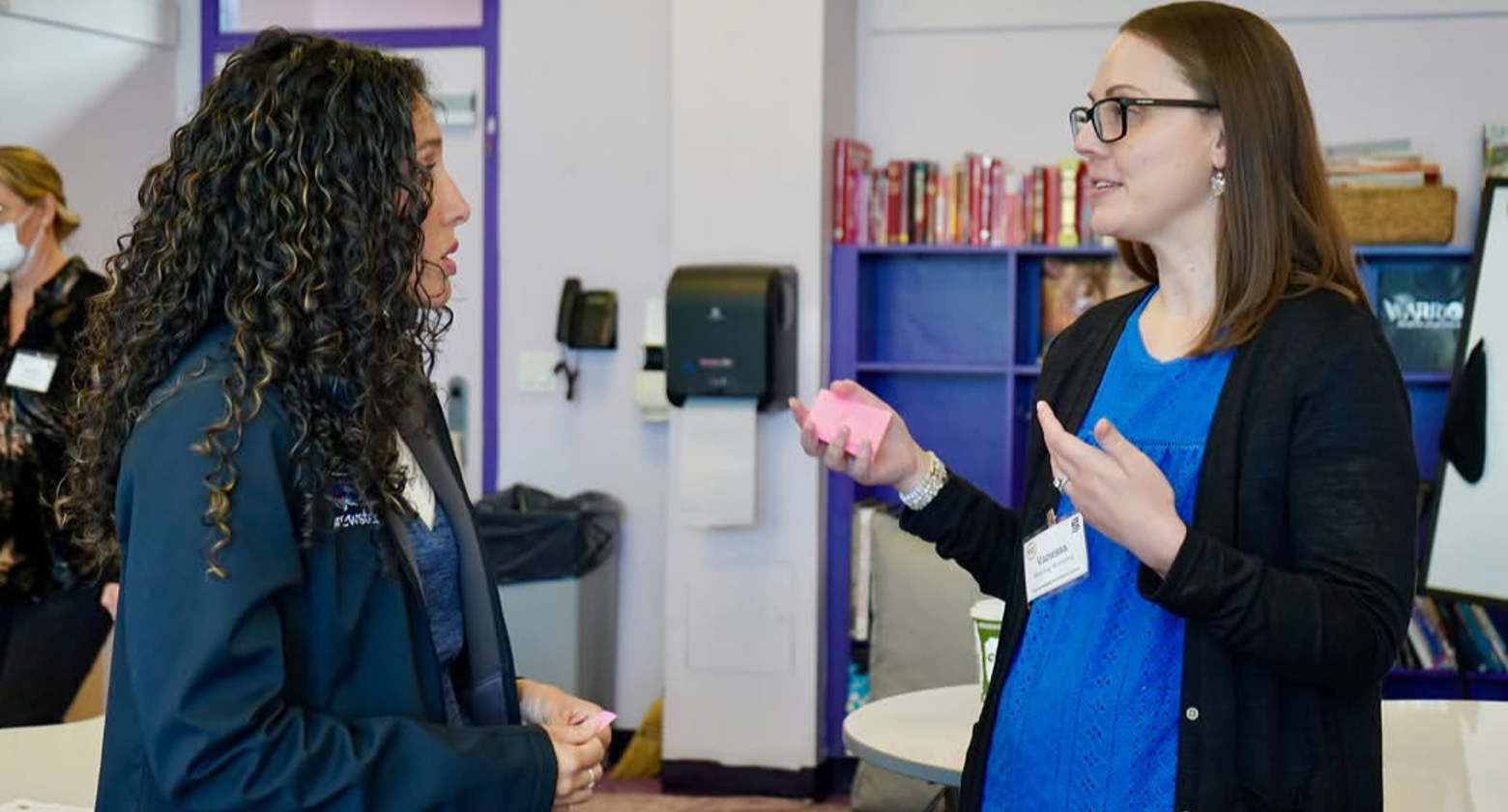
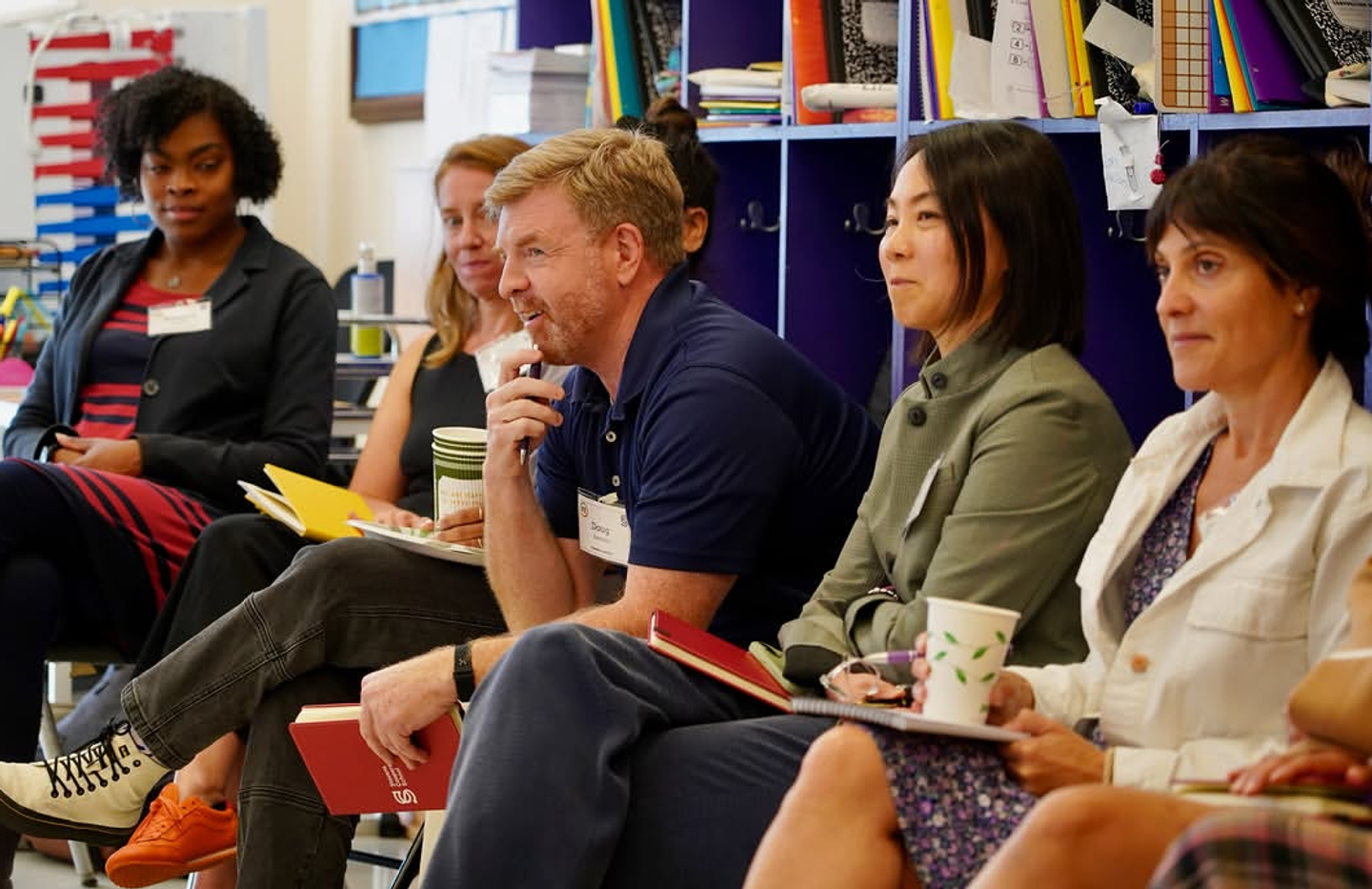
These questions, along with a broader exploration of how educators can design meaningful, student-centered learning experiences, were at the heart of Learning and Thinking That Make a Difference, a recent Project Zero conference in Jersey City, NJ, attended by Brewster faculty members Doug Goodale, Jonathan Browher, and Margarita Proulx.
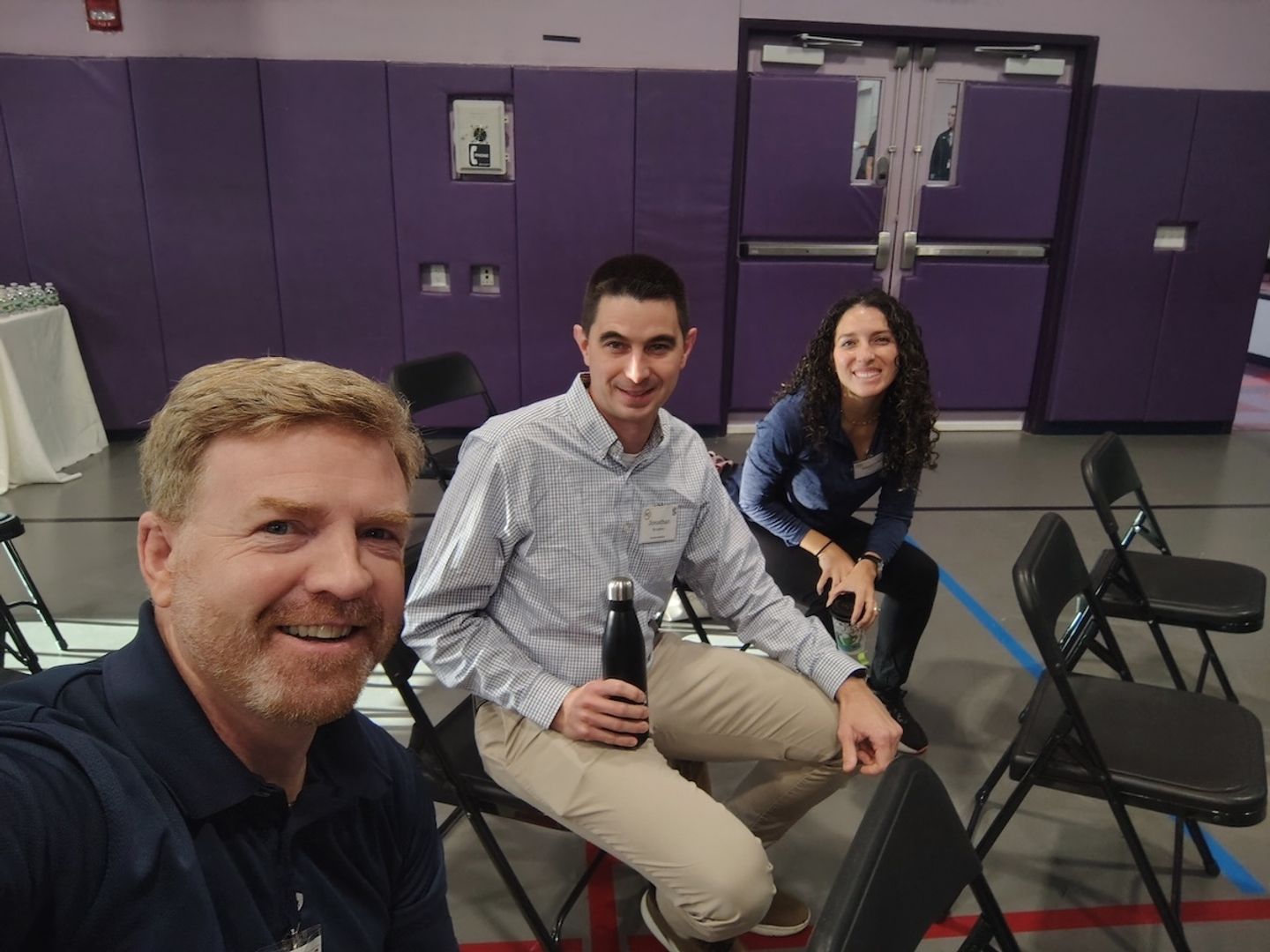
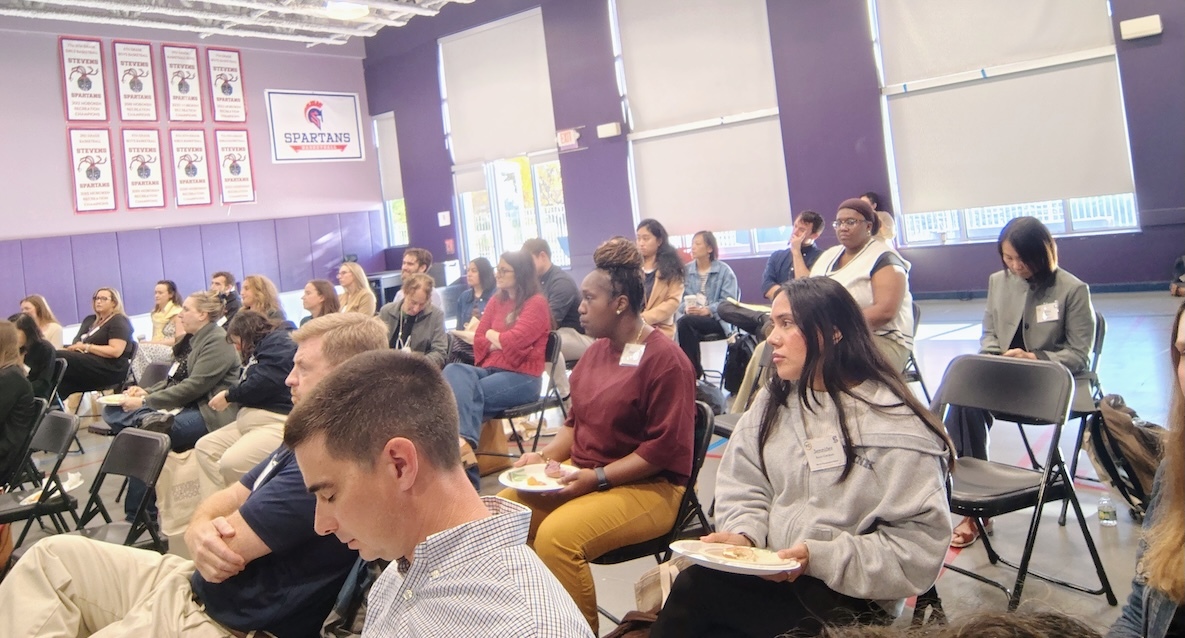
Hosted by Stevens Cooperative School, the conference introduced educators to research-backed practices, mindsets, and learning designs that foster deeper understanding, collaboration, and engagement. Through presentations, workshops, and opportunities to observe these approaches in action, participants explored a wide range of topics, including creating a culture of thinking, fostering learner agency, making thinking visible, and using discussion protocols and equity-based teaching practices to support meaningful learning.
For Brewster's faculty, the experience was an opportunity to build on work already taking place across campus and explore new ways to advance the school's mission of fostering diverse thinkers for lives of purpose.
Making Thinking Visible
For Proulx, the conference reinforced the importance of making students' thinking visible and inspired her to approach the practice with renewed intentionality.
Visible thinking encourages students to share not just what they know, but how they arrive at their ideas and develop their understanding. Through classroom discussions, reflection, and structured thinking routines, teachers gain insight into students' thought processes while students become more aware of their own learning. Project Zero emphasizes the importance of teachers becoming “students of our students,” continually observing, listening, and learning from students to better understand and support their thinking.
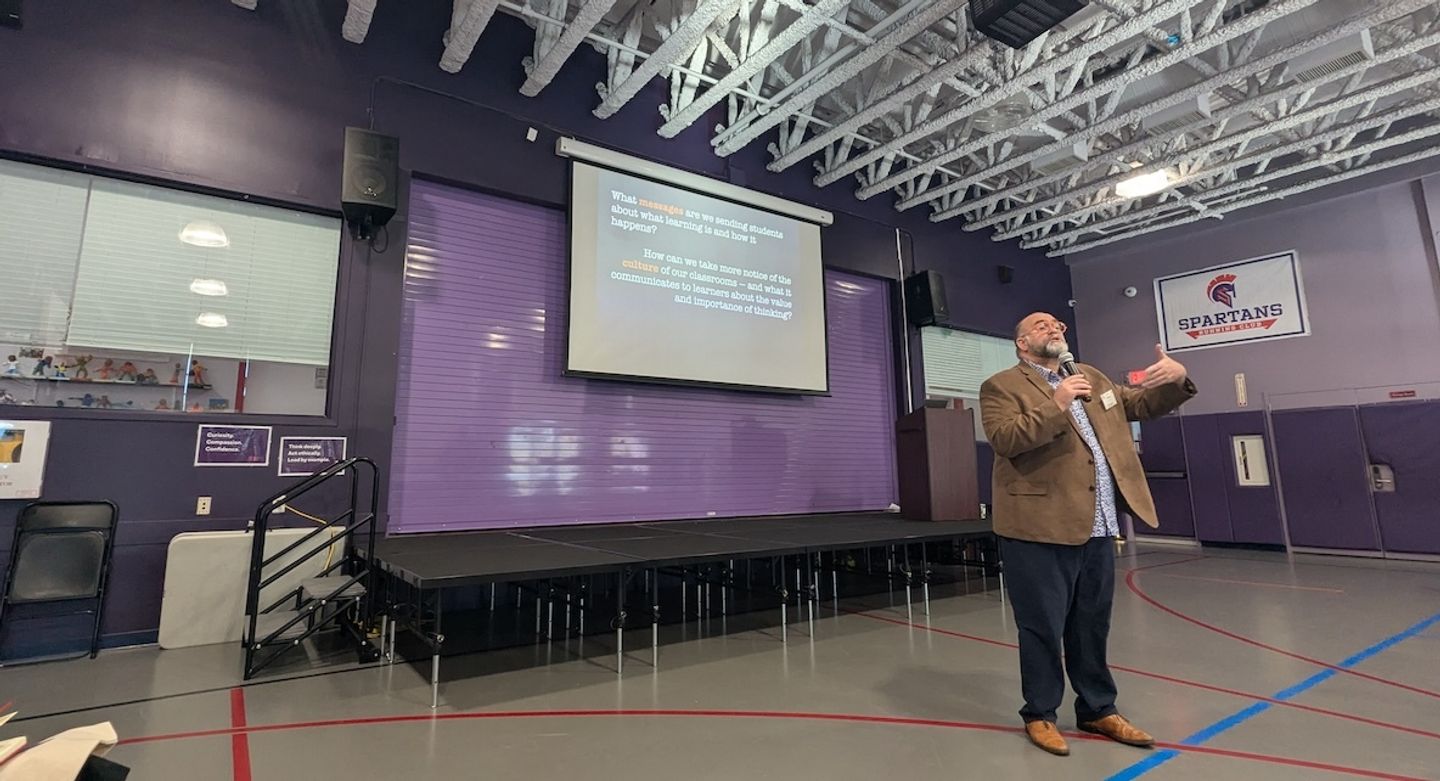
One of Proulx's most meaningful takeaways came from a presentation by Project Zero educator Mark Church, who described teaching for understanding and making students' thinking visible as the “Evergreen in an ever-changing landscape.”
“Going into this conference, I knew the importance of this work and the intentionality that it deserves,” Proulx reflected. “However, I am really surprised by how inspired I now feel to continue to refine my teaching practice and making this, visible thinking, my goal.”
Proulx was especially inspired by the opportunity to learn from Church and fellow Project Zero educator and researcher Tina Blythe, whose work reinforced the importance of approaching teaching with curiosity, intentionality, and a willingness to keep learning.
Returning to Brewster, Proulx hopes to make visible thinking routines a natural part of students' everyday learning experiences. She also plans to observe colleagues already using these practices and celebrate the ways teachers in the World Languages Department are fostering a culture of thinking.
Reflecting on the experience through a thinking routine of her own, Proulx summarized her shift in perspective:
“I used to think... that visible thinking was simply common sense work. Now I think... that visible thinking is not only common sense but also essential foundational work.”
Building on a Culture of Thinking
For Browher, who has been involved with Project Zero since 2023, the conference offered an opportunity to deepen existing connections and see colleagues energized by approaches that align closely with Brewster's educational philosophy.
“It was especially valuable for me to see my colleagues inspired and motivated to bring student-centered and research-backed teaching practices, rooted in the same social theories of learning which form the foundation of the Brewster Model,” he said.
Browher's involvement with Project Zero began when he was selected to participate in the Civics Summer Institute for Learning and Teaching at the Schoodic Institute in Maine. Since then, he has participated in a Community of Practice focused on values-based teaching and is preparing to serve as an online coach with Project Zero's Civic Learning Institute.
At Brewster, he has also worked to foster a culture of thinking within the History Department, one in which thinking is “valued, visible, and part of the everyday practices of the organization.”
That work extends beyond individual classrooms. As Browher noted, a guiding principle is that “for classrooms to be a culture of thinking for students, schools must be cultures of thinking for teachers.”
Faculty across departments have been exploring these ideas through professional development and the use of thinking routines. Earlier this year, Blythe visited Brewster for a faculty in-service day focused on thinking routines and the eight cultural forces that help create a culture of thinking.
Storytelling, Invitations, and New Possibilities
At the Jersey City conference, Browher was particularly inspired by Church's opening presentation, “An Invitation to Dream,” which challenged educators to imagine a new story of learning for their schools and classrooms.
When asked to identify his biggest takeaways, Browher chose two words: Storytelling and Invitations.
“Stories form the basis of memory and identity for both cultures and individuals, and reflect the power of creating a new story of learning for our schools and students,” he explained.
For Browher, the idea of invitations extended beyond the conference itself. It included inviting teachers to collaborate, inviting students to think deeply, and creating classroom environments that foster learner agency and joy through learning.
The conference also gave the Brewster educators a chance to observe Project Zero practices firsthand at Stevens Cooperative School, where teachers have integrated the approaches into their prekindergarten through eighth-grade classrooms.
Browher appreciated the opportunity to engage with educators who were equally interested in learning from Brewster's experience.
“It was meaningful that we were able to attend as peers within a larger community of practice,” he said.
Bringing New Ideas Back to Brewster
For Proulx, Browher, and Goodale, the conference offered both inspiration and affirmation, reinforcing the value of practices already taking shape at Brewster while introducing new possibilities for teaching and learning.
Goodale, a veteran educator, has also been exploring new approaches to engaging students, including cognitive apprenticeship and opportunities for students to construct meaning through their learning.
The conference inspired Goodale to incorporate more Project Zero thinking routines into his classroom to cultivate curiosity, collaboration, and a culture of growth. He plans to give students more opportunities to discuss their thinking in small groups, support their reasoning with evidence, consider different viewpoints, and take time to process challenging questions.
Goodale was particularly struck by the “See-Think-Wonder” routine, which encourages students to observe closely, interpret what they notice, and ask questions. He noted how this approach mirrors the inquiry processes used by doctors and lawyers, who rely on careful observation, analysis, and evidence. He also plans to use cooperative learning routines modeled by Church and Blythe throughout the conference.
“As teachers we must constantly remind ourselves that the way we lead our lessons demonstrates what learning looks like and helps build important skillsets,” Goodale reflected. For him, the experience reinforced how the questions teachers ask and the opportunities they create for collaboration can help students become curious, compassionate, and confident lifelong learners.
For Browher, the experience affirmed that Brewster's distinctive approach to education provides fertile ground for this work. He noted that educators at the conference recognized how Brewster's mission-driven campus culture and the Brewster Model create conditions that support innovative, student-centered teaching practices.
Ultimately, the conference was about more than introducing new teaching strategies. It was about exploring the practices, mindsets, and learning experiences that empower students to think deeply, engage meaningfully, and take ownership of their learning. For Brewster's faculty, the experience reinforced the importance of continued professional growth, collaboration, and a willingness to examine familiar practices through a fresh lens. It was also an affirmation of the work already underway at Brewster, where teachers continue learning alongside their students, curiosity is encouraged, and thinking becomes an essential part of everyday classroom life.
This is the Brewster Model in practice: teachers deepening their own understanding so they can better respond to their students. By investing in faculty learning and creating opportunities to exchange ideas, Brewster strengthens its ability to provide support where students need it and challenges that help them grow.